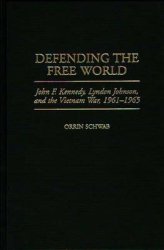

Schwab examines America's decision to stand in Vietnam with a fresh perspective provided by new archival materials and the intellectual synthesis of institutional, political, and diplomatic history. Vietnam policy is shown at many different levels, from the presidency down to the level of CIA operatives in the field and public opinion specialists on the White House staff.
The views of State Department officers, foreign public opinion, editorials in major U.S. newspapers, and the powerful leaders of both Congressional houses reveal an informed and highly conflicted public leadership well before American combat troops were committed in large numbers in the summer of 1965.
The study begins with John F. Kennedy's inaugural address in January of 1961 and proceeds to show the decision-making rocess regarding Vietnam and Indochina through the several critical events that led to Johnson's famous press conference speech of 1965. The author contends that responsibility for the war and its tragic consequences should not be placed upon individuals, but rather at the levels of the state, society, and the international system.
This view of agency existing at a higher level than the presidency challenges the dominant view of most diplomatic historians and other writers who have focused on the blunders and misperceptions of policy makers. Review: Recommended. - Choice Orrin Schwab's thoroughly researched and well-crafted study merits a close reading by students in need of tight, well-focused, and smart analysis of how and why the Vietnam War became unavoidably Americanized. - American Historical Review
 Related Products
Loading similar products...

Stay informed about the best deals and price drops. Choose which notifications you'd like to receive from PriceCheck.


