| Brand | Unbranded |
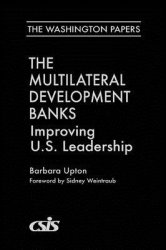
Upton examines the U.S. policy process toward the five multilateral development banks-the World Bank Group, the Inter-American Development Bank, the Asian Development Bank, the African Development Bank, and the European Bank for Reconstruction and Development-as a case study in how the United States manages its participation in multilateral institutions.
The management of the U.S. role in these institutions is significant primarily because these institutions play an increasingly important role in the U.S. relationship with the developing world and because, for the most part, they are mature institutions being called upon to adapt their roles and operating styles to new financial and political realities.
After examining the evolving role of the MDBs from the U.S. perspective, Upon describes the U.S. policy process toward the banks and assesses its strengths and weaknesses. She then sets out recommendations for improving the process and looks at the broader, more general lessons for U.S. policy formulation on multilateral institutions.
An important assessment for scholars, researchers, and policy makers involved with international relations and economic policy. Review: An incisive, much-needed analysis of the need for greater U.S. government attention to the actual results on the ground of World Bank and other multilateral development bank (MDB) programs.
Upton's well-documented study exposes the gap between the MDB's development rhetoric and their too often poor operational performance. It makes clear that a good part of the responsibility for conflicting MDB priorities lies with the banks' larger shareholders, especially the United States. -Bruce Rich Director International Programs Environmental Defense Fund Author of Mortgaging the Earth
 Related Products
Loading similar products...

Stay informed about the best deals and price drops. Choose which notifications you'd like to receive from PriceCheck.


