
| Manufacturer | Glagoslav Publications Ltd |
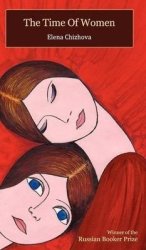
Life is not easy in the Soviet Union at mid-20th century, especially for a factory worker who becomes an unwed mother. But Antonina is lucky to get a room in a communal apartment that she and her little girl share with three old women. Glikeria is the daughter of former serfs. Ariadna comes from a wealthy family and speaks French.
Yevdokia is illiterate and bitter. All have lost their families, all are deeply traditional, and all become grannies to little Suzanna. Only they secretly name her Sofia. And just as secretly they impart to her the history of her country as they experienced it: the Revolution, the early days of the Soviet Union, the blockade and starvation of World War II.
The little girl responds by drawing beautiful pictures, but she is mute. If the authorities find out she will be taken from her home and sent to an institution. When Antonina falls desperately ill, the grannies are faced with the reality of losing the little girl they love unless a stepfather can be found before it is too late.
And for that, they need a miracle. Review: Their [women's] story is a simple one. Aside from Antonina's ailing medical condition (she falls ill from cancer), not much happens. But it's the ordinariness of these women's daily drudgery - the endless queues for supplies, the hours boiling dirty rags, the constant cooking of potatoes and bland food - that comes vibrantly alive on the page.
A scattered, stream-of-consciousness writing style takes some getting used to, especially at the beginning, and it's often difficult to keep track of which character is doing the narrating or whether a conversation is spoken or merely overheard. But persistence promises hearty rewards, including a vision of a Russian past not often revisited.
For Western readers unfamiliar with Russian/Soviet history, an especially dramatic read. - KIRKUS REVIEWS It is an earthbound and frankly emotional novel, especially in a literary scene long dominated by the cerebral trickery of postmodernism - THE NEW YORK TIMES. I don't cry easily, but this book firmly put a big lump in my throat.
That's a long forgotten feeling for me. - SERGEY GANDLEVSKY, famous Russian writer. As if created out of the dust and ruins of the Russian ghetos and stuck together with the same restrictions the basis of the text forms a rough and ready canvass. But look closer and the forms will become so clear that the eye doesn't register the background any longer. - RADIO LIBERTY.
There is not much mystery as to how the story will end, but the richness of both characters and atmosphere pulls the reader through a plot whose folktale motifs - ghostly brides, sleeping daughters and scheming old women - are part of a very real world of factories and dormitories haunted by war. - RUSSIA BEYOND THE HEADLINES.
Through this domestic, and essentially female, business of onion-frying, laundry rotas and petty squabbles, Chizhova tells the story of 20th Century Russia - of superstition and soviet realism, factories and folklore, belief and dissidence, rule and oppression, ignorance, hope and, of course, Russia's insatiable appetite for suffering. - MIRANDA INGRAM for TETRADKI.
 Related Products
Loading similar products...

Stay informed about the best deals and price drops. Choose which notifications you'd like to receive from PriceCheck.


