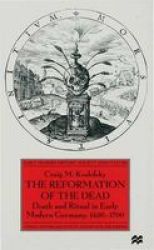

The Protestant Reformation was a cultural revolution whose effects were deep and enduring. In the upheaval of the Reformation theologians repudiated the scholasticism they had spent years mastering; sons and daughters cut off payments for intercession for their deceased parents' souls, and citizens mocked the relics of their patron saints.
These clerics, citizens and peasants, who only a few years or even months earlier had bought indulgences, sung masses for the dead, or strained to touch the relics of a saint, reformed the place of the dead in Christian society and permanently divided the Christian West. The Protestant Reformation transformed the funeral more profoundly than any other ritual of the traditional Church.
Luther's doctrine of salvation 'by faith alone' led to the death of Purgatory in the Protestant tradition and forced Reformers to re-establish the funeral on a new theological basis. By drawing on anthropological interpretations of death ritual, this study explores the changing relationships between the body, the soul, the living and the dead that shaped the daily encounter with death in Germany from the eve of the Reformation to the rise of Pietism, concluding with a discussion of the spread of honourable nocturnal burial at the end of the seventeenth century.
Review: 'Koslofsky has written a fascinating book on an important subject.' - Ecclesiastical History '...should be essential reading for all students of the Reformation.' - Gary K. Waite, Canadian Journal of History
 Related Products
Loading similar products...

Stay informed about the best deals and price drops. Choose which notifications you'd like to receive from PriceCheck.


